

Seamless Transitions: Mastering Database Migration from MySQL to PostgreSQL in Django Applications
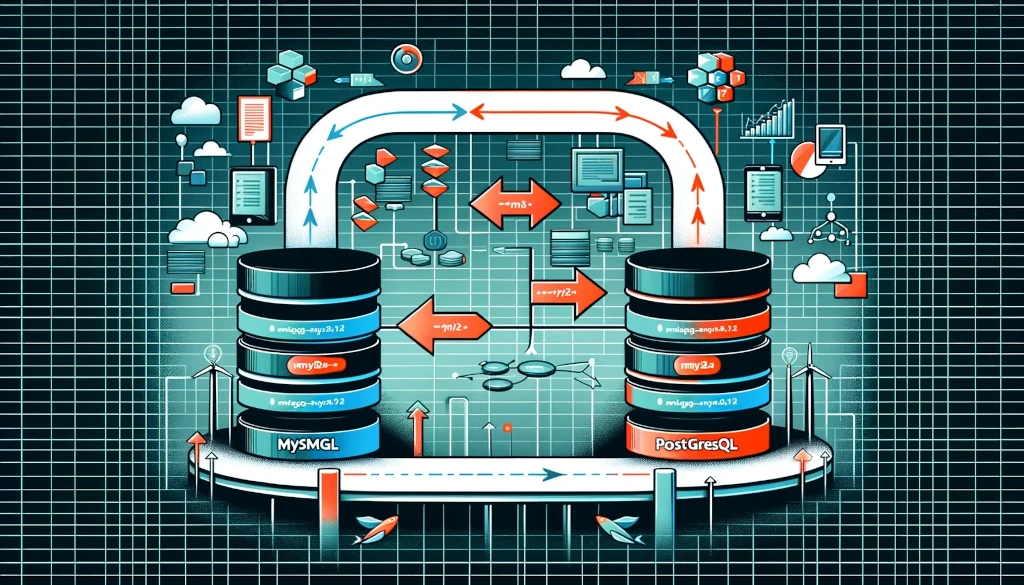
Database migration, especially in the context of Django applications, involves a careful and methodical approach to ensure data integrity, minimize downtime, and facilitate a smooth transition. When migrating databases between different systems, such as from MySQL to PostgreSQL, several best practices are crucial:
1. Understand the Source and Target Databases: Before initiating the migration, it's essential to have a thorough understanding of both MySQL and PostgreSQL. This includes their data types, storage capabilities, and any specific features or limitations.
2. Plan and Document the Migration Process: Develop a detailed migration plan that outlines each step of the process. This should include pre-migration checks, data mapping, the actual migration, and post-migration validation.
3. Data Type Compatibility: Ensure that the data types in MySQL are compatible with PostgreSQL. Some data types might not have direct equivalents, requiring careful consideration and conversion.
4. Backup Data: Always backup the entire MySQL database before starting the migration process. This provides a fallback option in case of any unforeseen issues.
5. Schema Migration: Use Django's built-in features to generate a new schema for PostgreSQL. The `manage.py` command can be used to create models based on the existing MySQL database and then migrate these models to the PostgreSQL database.
6. Data Migration Tools: Consider using data migration tools that are specifically designed for transferring data between MySQL and PostgreSQL. These tools can automate the process and handle large volumes of data more efficiently.
7. Test the Migration: Perform a test migration on a separate staging environment. This allows you to identify and resolve any issues without affecting the live database.
8. Migrate in Stages: If possible, migrate the data in stages. This approach reduces the risk and allows for more manageable troubleshooting.
9. Update Application Configuration: Update your Django application’s database configuration settings to point to the new PostgreSQL database.
10. Monitor and Optimize: After the migration, monitor the new database's performance. Optimization might be needed to ensure the application performs as expected with PostgreSQL.
11. Data Integrity Checks: Conduct thorough checks to ensure all data was accurately migrated and that there are no discrepancies between the old and new databases.
12. Documentation and Training: Document the entire process and provide necessary training to your team. This will be helpful for future migrations and for understanding the new database setup.
Following these best practices will help in achieving a successful database migration from MySQL to PostgreSQL, particularly in the context of Django applications, ensuring minimal disruption and maintaining data integrity.
1. Understand the Source and Target Databases: Before initiating the migration, it's essential to have a thorough understanding of both MySQL and PostgreSQL. This includes their data types, storage capabilities, and any specific features or limitations.
2. Plan and Document the Migration Process: Develop a detailed migration plan that outlines each step of the process. This should include pre-migration checks, data mapping, the actual migration, and post-migration validation.
3. Data Type Compatibility: Ensure that the data types in MySQL are compatible with PostgreSQL. Some data types might not have direct equivalents, requiring careful consideration and conversion.
4. Backup Data: Always backup the entire MySQL database before starting the migration process. This provides a fallback option in case of any unforeseen issues.
5. Schema Migration: Use Django's built-in features to generate a new schema for PostgreSQL. The `manage.py` command can be used to create models based on the existing MySQL database and then migrate these models to the PostgreSQL database.
6. Data Migration Tools: Consider using data migration tools that are specifically designed for transferring data between MySQL and PostgreSQL. These tools can automate the process and handle large volumes of data more efficiently.
7. Test the Migration: Perform a test migration on a separate staging environment. This allows you to identify and resolve any issues without affecting the live database.
8. Migrate in Stages: If possible, migrate the data in stages. This approach reduces the risk and allows for more manageable troubleshooting.
9. Update Application Configuration: Update your Django application’s database configuration settings to point to the new PostgreSQL database.
10. Monitor and Optimize: After the migration, monitor the new database's performance. Optimization might be needed to ensure the application performs as expected with PostgreSQL.
11. Data Integrity Checks: Conduct thorough checks to ensure all data was accurately migrated and that there are no discrepancies between the old and new databases.
12. Documentation and Training: Document the entire process and provide necessary training to your team. This will be helpful for future migrations and for understanding the new database setup.
Following these best practices will help in achieving a successful database migration from MySQL to PostgreSQL, particularly in the context of Django applications, ensuring minimal disruption and maintaining data integrity.